


Your Leading Viewshine Metering Co., Ltd. Supplier
Viewshine Metering Ltd. ("Viewshine") is a leading high-tech company that specializes in the research and development, manufacturing, and global sales of ultrasonic water and gas meters. We also provide smart water/gas information system platforms and terminals. With a history dating back to 2005 and being listed in 2017 (Stock Code: 002849), Viewshine is at the forefront of meter manufacturing in China, having pioneered the use of ultrasonic technology for nearly 18 years
Why Choose Us
High quality
We are recognized as a renowned brand in the gas/water meter industry, having obtained international certifications such as MID certification and ATEX certification.
One-stop solution
Viewshine is a leading high-tech company that specializes in the research and development, manufacturing, and global sales of ultrasonic water and gas meters.
OEM service
At Viewshine, we strive to provide a comprehensive and cutting-edge product lineup that meets the diverse needs of our customers.
Technical support
Viewshine is dedicated to technological innovation and has an impressive portfolio of 238 intellectual property rights (IPRs) covering a wide range of fields.

Viewshine's smart water flow meter is a state-of-the-art commercial ultrasonic water meter that integrates cutting-edge technology.

The residential smart water meter developed by Viewshine is an advanced ultrasonic water meter specifically designed for residential applications.

Viewshine's smart meter for water is an advanced ultrasonic meter designed specifically for residential applications. It integrates smart wireless communication, data analysis, and exceptional metrological performance to reduce non-revenue water and maximize utility benefits. The non-moving parts ensure consistent accuracy and maintenance-free operation. The meter achieves a maximum allowable pressure of 16 bar with high-quality engineering plastics.
What is Smart Meter For Water
Smart water meters are devices that measure and communicate water usage from consumer to provider to facilitate water management and proper billing. These meters are equipped with an electronic computing unit, or ECU, that facilitates communication between the meter and the supplier.
Benefits of Smart Meter For Water
Accurate billing: Smart water meters provide precise and real-time data on water usage. This leads to accurate billing, reducing non-revenue water. Customers are billed for the exact amount of water they use.
Leak detection: Smart water meters can detect abnormal water usage patterns, which will identify leaks within a property's plumbing. Some smart water meters can also detect leaks within the water distribution system. Early detection allows for timely repairs and prevents water loss.
Water revenue optimization: Reducing the amount of unbilled water due to accurate meter readings and timely leak detection can increase utility revenues.
Reduced operational costs: Automated data collection and remote monitoring capabilities reduce the need for manual meter reading, saving time and labor costs for water utilities.
Data analytics: Smart water meters generate a wealth of actionable data that utility companies can analyze to identify trends, optimize water distribution, and plan infrastructure upgrades more effectively. This data-driven approach can lead to more efficient operations.
Remote access and control: Utility companies can remotely manage water services, making disconnecting or reconnecting services easier. For example, remote shut-offs can be used during winter storms to prevent significant water loss and property damage due to freezing temperatures.
Scalability: Most ami technologies allow for real-time water data and provide a platform to enhance other services, such as distribution leak detection, pressure monitoring, water quality, and district metering.
Real-time monitoring for customers: Water customers can monitor their water usage in real-time through online portals or mobile apps, empowering them to make informed decisions about their water consumption.
Longevity and reliability: Smart water meters are often designed to be more durable and reliable than traditional meters, reducing maintenance and replacement costs for utility companies.
Water conservation: Smart meters encourage water conservation by providing consumers with real-time information on their water usage. Customers can identify and address excessive water usage, leaks, or wasteful habits, leading to reduced water consumption. Promoting water conservation helps ensure a stable water supply for growing populations.
Types of Smart Meter For Water
Ultrasonic smart water meters
Utilise ultrasonic waves to measure water flow accurately and are resistant to sediment buildup.
Electromagnetic smart water meters
Employ electromagnetic principles for precise flow measurement, suitable for various pipe sizes and water qualities.
Mechanical smart water meters
Combine mechanical components with digital technology for reliable and cost-effective water consumption tracking.
IOT-enabled smart water meters
Integrated with internet of things (iot) technology for remote monitoring, data collection, and management, offering enhanced connectivity and insights.
Residential water management: Smart water meters installed in residential properties allow homeowners to monitor their water usage, detect leaks, and take proactive measures to conserve water and reduce utility bills.
Commercial and industrial water management: Smart water meters are deployed in commercial and industrial facilities to monitor and manage large-scale water consumption, identify inefficiencies, and optimize water usage for cost savings and sustainability.
Utility management: Utility companies utilize smart water meters to remotely monitor water consumption, streamline meter reading processes, and improve overall operational efficiency.
Leak detection and prevention: Smart water meters continuously monitor water flow and pressure, enabling early detection of leaks and minimizing water loss. Real-time alerts and notifications allow for prompt action to mitigate damage and reduce water waste.
Water conservation programs: Smart water meters play a crucial role in water conservation programs by providing users with detailed consumption data, usage analytics, and personalized recommendations for water-saving practices.
Municipal water management: Smart water meters deployed in municipal water systems enable monitoring and control of water supply, distribution, and infrastructure maintenance, leading to more efficient management of water resources.
Irrigation management: Smart water meters integrated with irrigation systems allow for precise monitoring and control of water usage in landscaping, agriculture, and public green spaces, optimizing irrigation schedules and minimizing water waste.
Real estate and property management: Smart water meters in rental properties and multi-unit buildings help property managers track individual water usage, allocate costs accurately, and identify opportunities for conservation and cost reduction.
Water quality monitoring: Some advanced smart water meters are equipped with sensors to monitor water quality parameters, providing early detection of contaminants or changes in water quality, and ensuring safe drinking water for consumers.
Data-driven decision making: The data collected by smart water meters enables data-driven decision making for water resource management, infrastructure planning, and policy formulation to ensure long-term sustainability and resilience in water systems.
Components of Smart Meter For Water
One of the main parts of a smart water meter is the IoT sensor, frequently based on ultrasonic or electromagnetic principles.
This sensor keeps tabs on water flow to gather precise and reliable data.
High-performance sensors combined with cutting-edge tech lead to better precision and quality control.
Sensors like these are designed with accuracy and efficiency in mind, giving you peace of mind when it comes to water usage.
Smart water meters also come equipped with electronic computing units (ECUs).
These units allow your meter to communicate directly with your water supplier, making it easy for both you and them to stay updated on your water usage.
The result is a seamless and painless billing experience.
Smart water meters often use communication modules like LoRaWAN for connecting to your supplier.
With the power of real-time data, your smart water meter helps you keep track of consumption, pressure, and flow info quickly and easily.
By staying on top of this stuff, you can make smarter decisions about how you use water in your home or business.
How to Maintain Smart Meter For Water
Perform periodic inspections of your smart water meter to check for any physical damage or debris accumulation. Ensure that the meter's external components, such as the display and communication ports, are clean and free from dirt or obstruction.
If you notice any buildup, gently clean it using a soft cloth or brush. Avoid using harsh chemicals or abrasive materials, as they may damage the meter.
Regularly inspect your plumbing system for leaks, as even small leaks can lead to significant water wastage over time. Use the data provided by your smart water meter to monitor unusual water consumption patterns, which may indicate a hidden leak.
If you notice a sudden spike in water usage without any apparent reason, it's crucial to investigate and fix the issue promptly.
Smart water meters rely on communication technologies such as cellular networks or radio frequency to transmit data. Check the signal strength of your meter regularly to ensure it has a reliable connection with the central database.
Poor signal connectivity may result in data transmission delays or inaccuracies. If you notice a weak signal, try relocating the meter or installing signal boosters to improve connectivity.
Manufacturers often release firmware and software updates to improve the performance and security of smart water meters. Stay informed about the latest updates and ensure your meter's firmware and associated software are up to date. Regular updates can fix bugs, enhance features, and optimize the meter's functionality.
Occasionally, you may encounter data discrepancies or inaccuracies in your smart water meter readings. If you suspect that the data is incorrect, cross-check the readings with your water utility company's records.
If there is a significant difference, contact your utility provider for assistance and possible calibration of the meter. Additionally, ensure that no unauthorized access or tampering has occurred, as it may impact the accuracy of the readings.
Smart meters use wireless communication technology to transmit data on water usage to a central server. The data is then analyzed and used for billing purposes, leak detection, and water conservation initiatives. Consumers can access their water usage data through a web portal or mobile app, allowing them to monitor their usage and make informed decisions about their water consumption habits.

How Do Smart Meters Send Data?
Once the smart meter has measured and recorded energy consumption data, the communications module is responsible for transmitting usage information to the water, gas or electric company by using one of the following methods:
Radio frequency (RF) signals: Many smart meters use wireless RF signals to transmit data. This method is cost-effective and allows for long-range communication, making it suitable for large-scale deployments. However, RF signals can be susceptible to interference from other wireless devices and might require more infrastructure, such as repeaters or gateways, to ensure reliable communication.
Cellular networks: Some smart meters rely on existing cellular networks (for example, 4G or 5G) to transmit data. This approach offers widespread coverage and can be more resistant to interference than RF signals. However, using cellular networks might create additional data transmission costs and might not be suitable for areas with limited or unreliable cellular coverage.
Broadband connections: Another option for smart meter communication is broadband connections, like DSL and fiber-optic networks. This method can provide fast and reliable data transmission, but might require significant infrastructure investments, especially in rural or remote areas where broadband coverage may be limited.
Power line communication (PLC): PLC technology allows smart meters to transmit data over existing power lines, eliminating the need for more communication infrastructure. This method can be cost-effective and provide reliable communication, but its performance can be affected by electrical noise and distance from the substation.
Regardless of the communication method you use, data transmission typically occurs at regular intervals (every 15 minutes, 30 minutes or hourly). This ensures that utility companies receive up-to-date consumption information for billing, demand response and grid management purposes.
Here are some key differences between smart water meters and regular dial-type water meters:
Smart water meters transmit data to a central database, while regular water meters do not. This allows businesses and homeowners to access their water usage data easily and in real time.
Smart water meters assist in controlling usage which maximizes efficiency thus directly affecting cost. Users are also able to analyze their previous usage data and adjust their consumption accordingly to minimize waste.
Smart water meters use remote access, which, compared to the manual readings used for regular water meters, reduces staff costs, human errors, and valuable time.
How to Choose the Best Smart Water Meter for Your Home
Smart water meters are an excellent way to measure and control water consumption in the home. These devices connect to a network of pipes and measure the water flow used in the home. This allows homeowners to have better control of their water consumption and also helps them save on water bills. If you are considering buying a smart water meter for your home, there are a few things you should keep in mind before making a decision.
Type of water meter
The first thing to consider when choosing a smart water meter for your home is the type of meter you need. There are two main types of water meters: mechanical meters and electronic meters. Mechanical meters are the most common and are used to measure the flow of water entering and leaving a house. These meters are generally installed at the entrance of the house and are connected to a network of pipes. Electronic meters, on the other hand, connect to a network of pipes and measure the flow of water entering and leaving a house. These meters also measure the temperature of the water and can be programmed to perform measurements at regular intervals.
Features of the water meter
Once you have decided on the type of water meter you need for your home, you should consider the features of the meter. Some common features to look for in a smart water meter are measurement range, measurement accuracy, ability to connect to a network of pipes, programmability of measurements, and remote monitoring capability. The water meter should have a measurement range wide enough to meet your needs. Measurement accuracy is also important, as a meter with low accuracy will not be able to measure water flow correctly.
Cost of the water meter
The cost of the water meter is also an important factor to consider. Smart water meters can be expensive, so it is important to compare prices before buying one. The cost of the water meter can vary depending on the type of meter, features, and brand. It is important to compare the prices of several water meters to ensure you get the best price.
Installation of the water meter
The installation of the water meter is an important factor to consider. Installing a water meter can be a complicated and expensive process. It is important to ensure that the water meter you buy can be installed correctly. Some water meters come with installation instructions, while others may require professional help.
Customer service
Customer service is another important factor to consider when choosing a smart water meter. It is important to choose a brand that offers good customer service in case you have any problems with your water meter. You should ensure that the brand has customer service available to answer your questions and solve any problems that may arise.
Compatibility with other devices
Some smart water meters may be compatible with other smart home devices, such as home automation systems, energy meters, and temperature control systems.
Additional features
Finally, you should consider the additional features offered by the water meter. Some smart water meters can offer alerts when a water leak is detected in the home, which can help you take quick action to fix the problem. Other water meters can provide a detailed breakdown of your water consumption, which can help you identify areas where you can reduce your water usage.
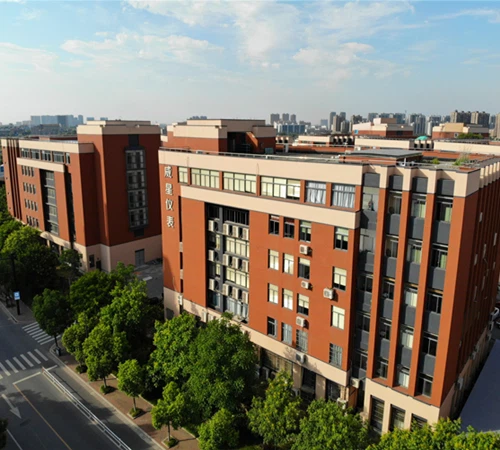
Our Factory


Our Certificate


FAQ
Hot Tags: smart meter for water, China smart meter for water manufacturers, suppliers, factory


