


Overview Of Viewshine Water Meter

The Viewshine ultrasonic water meter is an advanced water measurement device that stands out in the market with its ultra-high sensitivity, reliability, and versatility. Its fully electronic metering eliminates the moving parts of traditional mechanical water meters, significantly enhancing measurement accuracy and device durability. Additionally, the ultrasonic water meter supports remote reading and intelligent management, providing comprehensive solutions that make water management more convenient and efficient.
Ultrasonic Product Superiorities
Ultra-Sensitive
Detects Starting Flow Rates as Low as 1L/H
High Reliability
Reliable Performance of Ultrasonic Technology
Flexibility
Wide Measurement Range for Diverse Usage Needs
Accurate Measurement
Fully Electronic Metering, No Moving Parts
Durability
Over 12 Years of Reliable Design Life, Ensuring Longevity
Complete Solution
Combining Remote Reading and Intelligent Management
-
![Water Meter With Valve Self‑Test]() Water Meter With Valve Self‑TestSeries Name:Residential Water MeterModel:U-WR2Belonging Series:Ultrasonic wireless water meterIP Rating:IP68Max Battery Life:12 yearsCommunication interfaces:LoRaWAN/NB-IoT/Pulse/wM-Bus
Water Meter With Valve Self‑TestSeries Name:Residential Water MeterModel:U-WR2Belonging Series:Ultrasonic wireless water meterIP Rating:IP68Max Battery Life:12 yearsCommunication interfaces:LoRaWAN/NB-IoT/Pulse/wM-Bus -
![Smart Water Meter With Remote Shut‑Off]() Smart Water Meter With Remote Shut‑OffProduct Name:Ultrasonic Water MeterProduct Model:U-WRSize:DN15/DN20Case Material:BrassCommunication:LoRaWAN/NB-IoT/PulseBattery Information: Measurement: 3.6 Vlithium battery
Smart Water Meter With Remote Shut‑OffProduct Name:Ultrasonic Water MeterProduct Model:U-WRSize:DN15/DN20Case Material:BrassCommunication:LoRaWAN/NB-IoT/PulseBattery Information: Measurement: 3.6 Vlithium battery -
![High‑Accuracy Ultrasonic Water Meter]() High‑Accuracy Ultrasonic Water MeterProduct Name:Ultrasonic Water MeterProduct Model:U-WRSize:DN15/DN20Case Material:BrassCommunication:LoRaWAN/NB-IoT/PulseBattery Information: Measurement: 3.6 Vlithium battery
High‑Accuracy Ultrasonic Water MeterProduct Name:Ultrasonic Water MeterProduct Model:U-WRSize:DN15/DN20Case Material:BrassCommunication:LoRaWAN/NB-IoT/PulseBattery Information: Measurement: 3.6 Vlithium battery -
![Smart Water Meter For Apartments]() Smart Water Meter For ApartmentsProduct Name:Ultrasonic Water MeterProduct Model:U-WRSize:DN15/DN20Case Material:BrassCommunication:LoRaWAN/NB-IoT/PulseBattery Information: Measurement: 3.6 Vlithium battery
Smart Water Meter For ApartmentsProduct Name:Ultrasonic Water MeterProduct Model:U-WRSize:DN15/DN20Case Material:BrassCommunication:LoRaWAN/NB-IoT/PulseBattery Information: Measurement: 3.6 Vlithium battery -
![Low‑Pressure‑Loss Ultrasonic Water Meter]() Low‑Pressure‑Loss Ultrasonic Water MeterSeries Name:Residential Water MeterModel:U-WR2Belonging Series:Ultrasonic wireless water meterIP Rating:IP68Max Battery Life:12 yearsCommunication interfaces:LoRaWAN/NB-IoT/Pulse/wM-Bus
Low‑Pressure‑Loss Ultrasonic Water MeterSeries Name:Residential Water MeterModel:U-WR2Belonging Series:Ultrasonic wireless water meterIP Rating:IP68Max Battery Life:12 yearsCommunication interfaces:LoRaWAN/NB-IoT/Pulse/wM-Bus -
![Ultrasonic Water Meter With No Moving Parts]() Ultrasonic Water Meter With No Moving PartsProduct Name:Ultrasonic Water MeterProduct Model:U-WRSize:DN15/DN20Case Material:BrassCommunication:LoRaWAN/NB-IoT/PulseBattery Information: Measurement: 3.6 Vlithium battery
Ultrasonic Water Meter With No Moving PartsProduct Name:Ultrasonic Water MeterProduct Model:U-WRSize:DN15/DN20Case Material:BrassCommunication:LoRaWAN/NB-IoT/PulseBattery Information: Measurement: 3.6 Vlithium battery -
![Smart Water Measurement Device, Model U-WR2]() Smart Water Measurement Device, Model U-WR2U-WR2 is an advanced ultrasonic water meter made of durable composite material and packed with the latest IoT communication technologies. It integrates smart wireless communication, advanced data
Smart Water Measurement Device, Model U-WR2U-WR2 is an advanced ultrasonic water meter made of durable composite material and packed with the latest IoT communication technologies. It integrates smart wireless communication, advanced data -
![Water Meter With Remote Monitoring]() Water Meter With Remote MonitoringSeries Name:Residential Water MeterModel:U-WR2Belonging Series:Ultrasonic wireless water meterIP Rating:IP68Max Battery Life:12 yearsCommunication interfaces:LoRaWAN/NB-IoT/Pulse/wM-Bus
Water Meter With Remote MonitoringSeries Name:Residential Water MeterModel:U-WR2Belonging Series:Ultrasonic wireless water meterIP Rating:IP68Max Battery Life:12 yearsCommunication interfaces:LoRaWAN/NB-IoT/Pulse/wM-Bus -
![Water Meter With 12‑Year Life]() Water Meter With 12‑Year LifeProduct Name:Ultrasonic Water MeterProduct Model:U-WRSize:DN15/DN20Case Material:BrassCommunication:LoRaWAN/NB-IoT/PulseBattery Information: Measurement: 3.6 Vlithium battery
Water Meter With 12‑Year LifeProduct Name:Ultrasonic Water MeterProduct Model:U-WRSize:DN15/DN20Case Material:BrassCommunication:LoRaWAN/NB-IoT/PulseBattery Information: Measurement: 3.6 Vlithium battery -
![Ultrasonic Water Meter No Moving Parts]() Ultrasonic Water Meter No Moving PartsSeries Name:Residential Water MeterModel:U-WR2Belonging Series:Ultrasonic wireless water meterIP Rating:IP68Max Battery Life:12 yearsCommunication interfaces:LoRaWAN/NB-IoT/Pulse/wM-Bus
Ultrasonic Water Meter No Moving PartsSeries Name:Residential Water MeterModel:U-WR2Belonging Series:Ultrasonic wireless water meterIP Rating:IP68Max Battery Life:12 yearsCommunication interfaces:LoRaWAN/NB-IoT/Pulse/wM-Bus -
![Smart Water Meter For Apartment Buildings]() Smart Water Meter For Apartment BuildingsProduct Name:Ultrasonic Water MeterProduct Model:U-WRSize:DN15/DN20Case Material:BrassCommunication:LoRaWAN/NB-IoT/PulseBattery Information: Measurement: 3.6 Vlithium battery
Smart Water Meter For Apartment BuildingsProduct Name:Ultrasonic Water MeterProduct Model:U-WRSize:DN15/DN20Case Material:BrassCommunication:LoRaWAN/NB-IoT/PulseBattery Information: Measurement: 3.6 Vlithium battery -
![2 Ultrasonic Water Meter]() 2 Ultrasonic Water MeterSeries Name:Residential Water MeterModel:U-WR2Belonging Series:Ultrasonic wireless water meterIP Rating:IP68Max Battery Life:12 yearsCommunication interfaces:LoRaWAN/NB-IoT/Pulse/wM-Bus
2 Ultrasonic Water MeterSeries Name:Residential Water MeterModel:U-WR2Belonging Series:Ultrasonic wireless water meterIP Rating:IP68Max Battery Life:12 yearsCommunication interfaces:LoRaWAN/NB-IoT/Pulse/wM-Bus -
![Long-life Digital Water Meter]() Long-life Digital Water MeterProduct Name:Ultrasonic Water MeterProduct Model:U-WRSize:DN15/DN20Case Material:BrassCommunication:LoRaWAN/NB-IoT/PulseBattery Information: Measurement: 3.6 Vlithium battery
Long-life Digital Water MeterProduct Name:Ultrasonic Water MeterProduct Model:U-WRSize:DN15/DN20Case Material:BrassCommunication:LoRaWAN/NB-IoT/PulseBattery Information: Measurement: 3.6 Vlithium battery -
![Chilled Water Meter]() Chilled Water MeterSeries Name:Residential Water MeterModel:U-WR2Belonging Series:Ultrasonic wireless water meterIP Rating:IP68Max Battery Life:12 yearsCommunication interfaces:LoRaWAN/NB-IoT/Pulse/wM-Bus
Chilled Water MeterSeries Name:Residential Water MeterModel:U-WR2Belonging Series:Ultrasonic wireless water meterIP Rating:IP68Max Battery Life:12 yearsCommunication interfaces:LoRaWAN/NB-IoT/Pulse/wM-Bus -
![Smart Water Meter With IoT]() Smart Water Meter With IoTProduct Name:Ultrasonic Water MeterProduct Model:U-WRSize:DN15/DN20Case Material:BrassCommunication:LoRaWAN/NB-IoT/PulseBattery Information: Measurement: 3.6 Vlithium battery
Smart Water Meter With IoTProduct Name:Ultrasonic Water MeterProduct Model:U-WRSize:DN15/DN20Case Material:BrassCommunication:LoRaWAN/NB-IoT/PulseBattery Information: Measurement: 3.6 Vlithium battery


A residential water meter is a device that measures the amount of water that enters a household. It is important because it helps to accurately measure and bill water usage, as well as to identify any potential leaks or issues with the water supply.


Benefits of Residential Water Meter
Water waste detection: Multiple studies have revealed that about 80% of water is wasted by 20% of the residents. Wastage through leakages and dripping taps add to it. Moreover, structural defects within the resident or at the distribution point often led to paying more than the usage. Numerous countries have listed a significant reduction of 20-40% in wastage due to the installation of water meters. Residents become aware and act accordingly as they are charged based on their actual consumption.
Incentives to conserve water: Conscious water consumption leads to less usage of water which reduces carbon footprints. With metering, a building can earn leed (leadership in energy and environmental design) points or earn incentives that eventually bring greater returns on investment. In a way, these incentive-driven measures become the first step towards disciplining water usage.
Estimating subsidies: Authorities often subsidize water charges for those who cannot pay for it. Water metering is an efficient way to understand usage and set targets while rolling out subsidies.
Volumetric pricing
In residential units, where a water meter is installed, the compulsion to share cost across the board is eliminated. Accurate measurements of how much water is used by which part of the resident leaves scope for paying for the water that has been used by the members only.
Water conservation
Governments across the world are under pressure to reduce water wastage. For example, the uk government has set a goal of reducing water consumption to 15% by 2050. Water meters help track consumption in real time and identify where conservation is required to be implemented. It also provides a collection of data based on which various necessary steps can be taken.
Consistent supply of water
Installing water meters optimizes the equal pressure flow over time, which minimizes loss during sudden breakage, leaks, and bursts. A disciplined checking of reasons behind water wastage and troubleshooting them makes the residential areas better equipped to guarantee adequacy and equity of distribution and consequently regularity of water supply amongst all households.
Low energy consumption
Optimization of pump usage is one of the main advantages of installing water metering. By understanding how much water is consumed, the authorities can adjust the pumping schedule to meet the needs of the residents. This significantly reduces the frequent use of water pumps and thereby saves a huge amount of electricity.
●Positive displacement meters
A water flow meter directly measures the volume of fluid passing through. A positive displacement meter measures the amount of fluid between separate spinning or rotating components within a precision chamber. This divides the fluid being measured into discrete volumes. Think of it like quickly filling a measuring cup and then pouring it out, keeping track of the amount of water and the number of times it has been measured.
PD meters have to be used with clean liquids such as water or oil. A fluid is considered clean when there is little to no particulate matter (100 microns or less) that can clog and disrupt the flow through the meter or cause rapid wear. Positive displacement water meters are commonly used in residential applications for measuring water consumption in homes and apartment buildings. They are often situated upstream in a plumbing system to measure input flow. PD meters are valued for their accuracy and reliability. They can also be used in measuring the flow of other fluids such as oil and fuel. PD meters are excellent for measuring high viscosity fluids and varying viscosity fluids due to temperature variations.
Oval gear meters are a common type of positive displacement flow meter. Oval-shaped precision gears that are intermeshed rotate proportionally to the flow of the medium. The number of rotations over a given time is equivalent to the volume.
●Velocity flow meters
Water metering that measures how quickly a liquid moves through a system utilizes velocity flow. The rate of flow is measured by how quickly water moves through the meter and is subsequently converted to a volume of flow in order to calculate consumption rates. These types of water meters utilize different technologies and techniques to measure the velocity of the stream within the pipe or system. There are a few common types of velocity flow meters, such as ultrasonic, turbine and electromagnetic.
Ultrasonic water meters Work by placing a sensor that alternately sends and receives ultrasonic waves to measure velocity. Two transducers are placed on either side of a pipe and measure the time it takes for the ultrasonic wave to make it from one transducer to the other through the liquid medium. The difference in the transit time between the two transducers is proportional to the flow rate velocity. Wireless water meters can be attached to the outside of a pipe for ease of installation and access to the transducers.
Turbine flow meters Are volumetric flow meters that utilize a liquid's mechanical energy. The flowing water causes the turbine to spin as it passes through. The spin velocity is proportional to the velocity of the fluid traveling through the turbine.
Electromagnetic flow meters Use Faraday's law of induction to measure the velocity of a liquid. An electromagnetic coil creates a magnetic field inside the pipe while electrodes measure the electromotive force. While useful for measuring flow rates, electromagnetic flow meters can not measure liquids and gases that do not have electrical conductivity.
Components of Residential Water Meter
Dial: The dial will rotate when water passes through the meter. One full rotation of the dial equals 1 cubic foot of water or 7.48 gallons.
Water meters measure cubic feet of water used. To convert cubic feet to gallons, multiply the number of cubic feet by 7.48.
CCWD measures water use by units for billing purposes: 1 unit of water billed = 100 cubic feet = 748 gallons.
Low flow indicator: The Low Flow Indicator will rotate with very little water movement. Any water moving through the meter is detected so even small leaks will register.
Odometer: The odometer records total water use in a similar way as the odometer in your car records miles driven. The water meter odometer records water use in cubic feet and displays as follows: The digits from right to left represent 1 cubic foot, 10 cubic feet, 100 cubic feet and so on. Like a car odometer, the water meter odometer can not be altered.
Process of Residential Water Meter
Turn water supply line off.
A new water meter installation will require additional meter adapters that are available in various types and sizes depending on service pipe material and meter sizes. Examples of various meter accessories are meter setters, meter couplings and meter flanges. NOTE: Check on local codes, check valves are often required as part of the meter installation.
Before installing the new meter, always run the water to flush the service line at a slow rate to ensure the line is free of any rust or sediment.
Check the water meter for proper direction of flow. The meter will have some kind of flow direction indicator located on the top or sides of the meter. Then install the new meter and rubber gaskets.
For proper installation, never use a wrench to start the thread connections. Always start the meter connections by hand to make sure that the connections are not cross threaded.
In most cases, connection seals with rubber gaskets are made by hand tightening the meter adapters and then completing the leak tight seal using a wrench, typically all that is needed after hand tightening is an additional quarter turn to seal the gaskets.
To reactivate the service line after the meter installation, it is good practice to have a cold water faucet partially open.
Open the service line valve slightly to allow for any air in the system to be purged through the open cold water faucet. Once all air is purged from the system, turn off the faucet and check the water meter and appurtenances for any leaks. Clean all connections with a dry cloth and re-check for any visible moisture.
Turn the supply line valve completely on.
Take a few moments to run some water in the dwelling to verify that the meter is registering and flowing in the proper direction.
The following steps can help to protect your water pipes and water meter from freezing temperatures:
- Wrap any exposed water pipes and meter with heat tape.
- Insulation around the water meter.
- Make sure your outside hose spigots are frost free, otherwise turn off the valves inside your home.
- When temperatures plummet, it’s a good idea to keep a small amount of water flowing through the pipes within your home to keep pipes from freezing. This can be achieved by keeping a faucet turned on slightly; usually a steady drip will be sufficient.

Our Factory


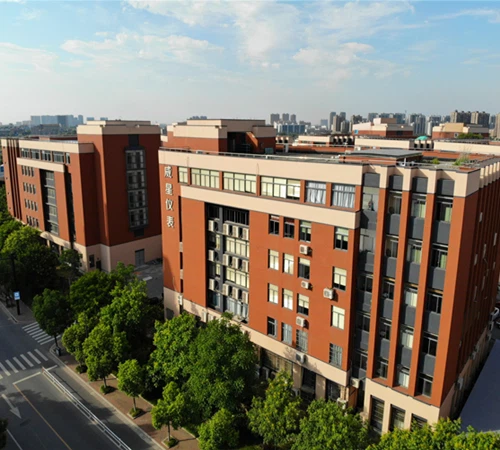
Our Certificate


FAQ
We're well-known as one of the leading residential water meter manufacturers and suppliers in China. Please feel free to wholesale high quality residential water meter made in China here from our factory. For custom service, contact us now.
MID Water Meter


